
How Behavior Modification Can Transform Your Dog
Beyond Basic Training: How Behavior Modification Can Transform Your Dog Does your dog react aggressively to other dogs on walks? Maybe they become

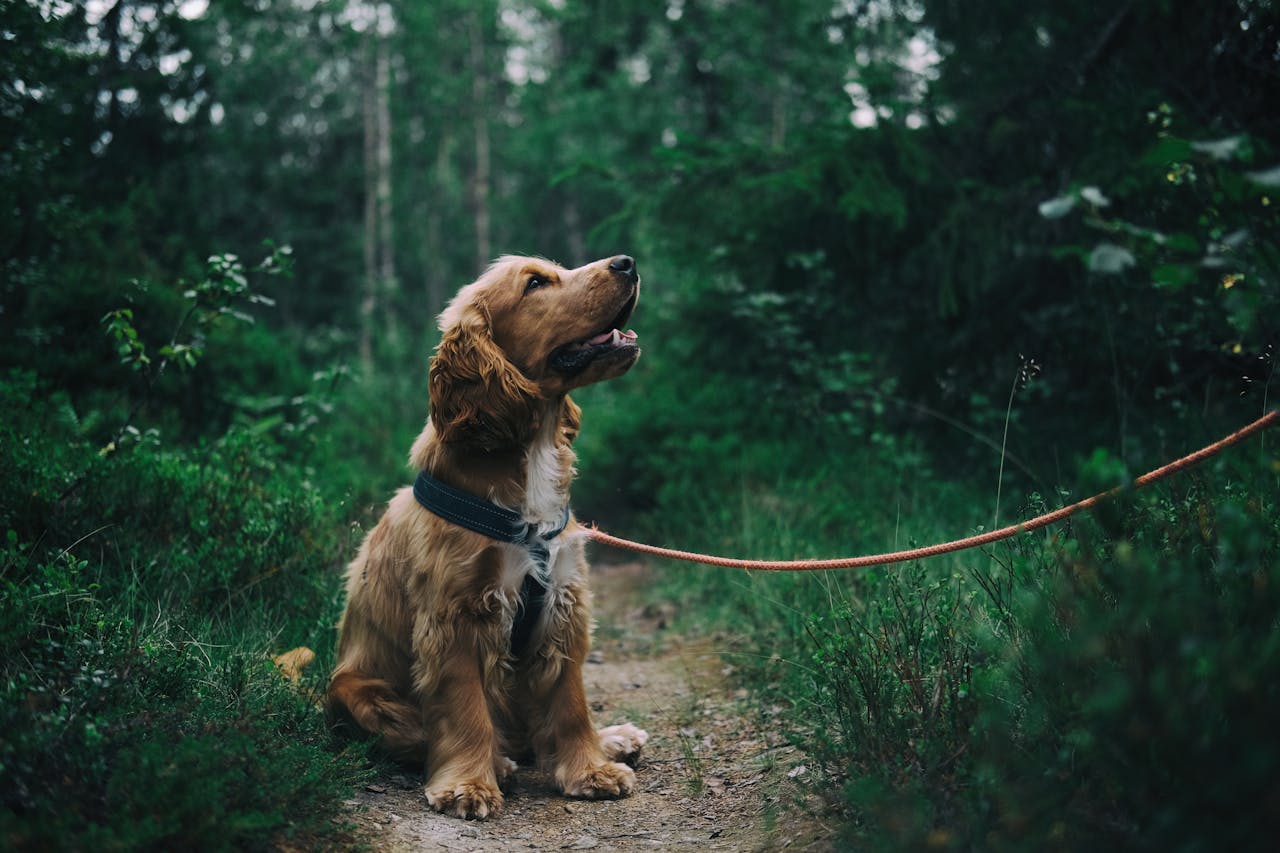
Bringing home a puppy is exciting, but it can also feel overwhelming in the first few weeks. The good news is that you do not need complicated methods to build great behavior. Most puppies thrive when training is short, clear, and consistent.
At Liberty K-9, we coach families to focus on a few core habits first. These basics make daily life easier and create a foundation for more advanced skills later.
Puppies do best with predictable schedules. Feed, potty breaks, play, and rest should happen at similar times each day. A routine reduces accidents, lowers stress, and helps your puppy learn what to expect.
Start with frequent potty trips:
Reward success quickly with praise and a small treat.
Puppies repeat what works. If calm behavior earns attention and rewards, you will see more of it. Keep treats nearby and mark good choices immediately, sitting politely, checking in with you, or choosing a toy instead of shoes.
Timing matters more than treat size. Reward within a second or two so your puppy connects the reward to the exact action.
Your puppy should learn that hearing their name means good things happen. Say their name once, and when they look at you, reward. This simple game builds focus.
Next, practice recall (coming when called) in low-distraction spaces. Keep sessions fun and short. Never call your puppy for something they dislike, like ending every play session, or recall can weaken.
Do not wait for pulling to become a habit. Start indoors or in a quiet yard. Reward your puppy for walking near you with a loose leash. If they pull, pause and reset instead of dragging forward.
A few minutes daily is enough for steady progress.
Socialization is not just meeting other dogs. It includes exposure to people, sounds, places, and surfaces in a positive way. Keep experiences controlled and short. Watch body language and avoid flooding your puppy with too much too fast.
Confident, positive exposures now can prevent fear-based behavior later.
A crate can become a safe resting place when introduced properly. Pair crate time with treats, chew items, and quiet downtime. Avoid using the crate as punishment. Done right, crate training helps with house training, travel, and stress reduction.
Young puppies have limited attention spans. Aim for 3 to 8 minute sessions, several times a day. End while your puppy is still engaged so training stays positive.
If your puppy is nipping, jumping, having accidents, or struggling to settle, early coaching can make a major difference. We can build a practical plan that matches your schedule and your puppy’s temperament.
Contact Us to get support with puppy training basics.
Liberty K-9 provides positive, science-based dog training in Fayetteville, North Carolina, USA.
Beyond Basic Training: How Behavior Modification Can Transform Your Dog Does your dog react aggressively to other dogs on walks? Maybe they become
Crate Training Made Easy: Your Dog's Happy Place Let's talk about crate training! If you're feeling overwhelmed or guilty about using a crate, don

Discover a more harmonious relationship with your dog through our tailored training programs.